

Biometric Passport Photo: Definition, Characteristics, and Differences
A biometric passport photo is a portrait taken according to specific guidelines, from which the face can be measured by a machine and uniquely identified as belonging to a specific person. That is precisely what distinguishes it from an ordinary passport photo. It is required for all biometric documents—from ID cards and passports to residence permits and driver’s licenses.
Starting May 1, 2025, new rules for passport photos will also apply in Germany. For many official documents, passport photos are no longer submitted as printed photos but are instead taken digitally and securely transmitted to the authorities. With alfo.passbild, you can quickly find a suitable photographer near you who will professionally take your biometric passport photo and provide it in digital format.
Have a biometric passport photo taken
Find a photographer near you now and have your passport photo taken professionally and in compliance with the law.
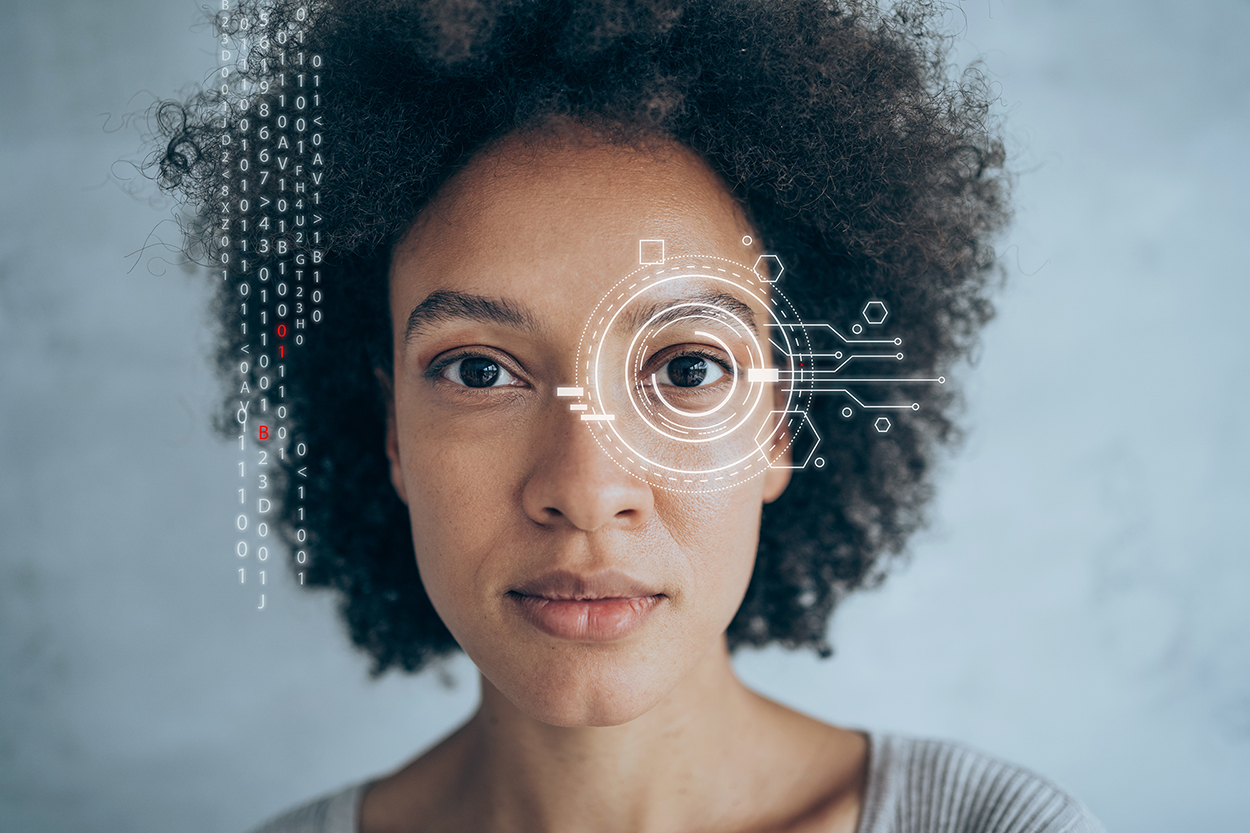
What is a biometric passport photo?
A biometric passport photo is a standardized photograph used for the secure identification of a person. It must be taken in such a way that the face, eyes, head position, and facial expression are clearly recognizable. For this reason, there are specific requirements for biometric passport photos.
A biometric passport photo is required for the following purposes, among others:
- Identity card
- Passport
- Residence permit
- Driver’s license
- Visa
- Identification Documents for Children
Traditional passport photo or biometric passport photo—what’s the difference?
Many people use the terms “passport photo,” “ID photo,” and “biometric passport photo” interchangeably. In fact, however, there are important differences. A standard passport photo, for example, can be used for club membership cards, student IDs, or personal purposes. For official documents such as passports, ID cards, or residence permits, however, a biometric passport photo is required.
A biometric passport photo must meet specific requirements so that government agencies and biometric recognition systems can clearly identify the face. These requirements include, among other things, the correct head position, a neutral facial expression, an appropriate background, and sufficient image quality.
The key differences at a glance:
| Characteristic | Standard Passport Photo | Biometric passport photo |
|---|---|---|
| Purpose | Applications, club membership cards, student IDs, or personal use | Passport, ID card, residence permit, and other identification documents |
| Head Position | Any position; slightly tilted or three-quarter profile are possible | Facing the camera head-on, with the head held straight |
| Facial expression | Smiling allowed | Neutral facial expression, mouth closed |
| Eyes | No fixed guidelines | Open and fully visible |
| Background | Any, including colored or patterned | Solid color, light and neutral |
| Image Quality | No specific requirements | Sharp, high-contrast, and suitable for biometric use |
| Use | Personal Use | Official documents |
| Digital Transmission | Not required | Mandatory for many documents starting in 2025 |
While a traditional passport photo offers significantly more creative freedom, biometric passport photos must comply with legal requirements. Since the introduction of the digital passport photo process, passport photos for many identification documents are also created digitally and securely transmitted to the relevant authority.
If you’d like to know the specific requirements for size, background, lighting, and facial expression, you’ll find all the details on our page about passport photo requirements. View passport photo requirements
How can you tell if a photo is a biometric passport photo?
Four characteristics determine whether a portrait is suitable for biometric use. They also provide the quickest way to check whether an existing photo is even an option. You can find the complete specifications, including all tolerances, on our page about passport photo requirements.
Face
The face must be facing the camera head-on. The eyes must be open and clearly visible.
Expression
Your facial expression should be neutral. A broad smile or an open mouth may result in rejection. Learn more: Rules for smiling in passport photos.
Background
The background must be light-colored, solid, and free of shadows or patterns.
Image Quality
The photo must be in focus, high in contrast, and evenly lit.
What is a biometric document?
A biometric document is an official identification document in which personal characteristics, such as a facial image or fingerprint, are stored in machine-readable form on a chip. In Germany, these primarily include passports, national ID cards, electronic residence permits, and EU driver’s licenses.
“Biometric” simply means that these characteristics are uniquely measurable. A border control system can compare the facial image stored on the chip with the person’s face as seen by the camera. This is precisely why passport photos are so strictly standardized: Only a photo taken according to uniform guidelines can be evaluated automatically.
These documents are biometric
- Passport – with a digital photo since 2005; with fingerprints as well since 2007
- Identity card – in credit-card format with a stored photograph since 2010
- Electronic Residence Permit (eAT) – with a photo and fingerprints
- EU-format driver’s license —with a biometric-compatible photo
- Visas and travel documents —regulations vary depending on the issuing country
What does this mean for me as an applicant?
In practice, there’s one key requirement: The photo you submit must be biometric-compliant. A standard portrait or application photo is not sufficient. Furthermore, as of May 1, 2025, the photo for many of these documents will no longer be printed but will instead be submitted digitally to the authorities.
What are the dimensions of a biometric passport photo?
In Germany, a biometric passport photo is typically 35 x 45 mm in size. In addition to the actual size of the photo, it is also important how large the face appears in the photo and how the head is positioned.
Since this topic is searched for very frequently and often leads to mistakes, we’ve created a separate page dedicated to it: Passport Photo Size & Format.
Digital biometric passport photos starting in 2025
Starting in May 2025, passport photos for many identification documents will be submitted digitally. You can find all the information about the new process on our page about digital passport photos.
Why a Professional Biometric Passport Photo Is a Good Idea
At first glance, a biometric passport photo seems simple. In practice, however, even small mistakes can result in the photo being rejected by the civil registry office. This includes, for example, shadows, an incorrect head position, an unsuitable background, or excessive image editing.
A professional photographer will ensure that your passport photo meets current requirements and is provided in the correct digital format. This saves time during your appointment at the government office and reduces the risk that you’ll need to have a new photo taken.
Common Mistakes in Biometric Passport Photos
Some of the most common mistakes include an incorrect size, a distracting background, shadows on the face, covered eyes, a tilted head, or an inappropriate facial expression. Clothing, glasses, or headwear can also be problematic if they cover the face or interfere with recognition.
You can find a detailed overview here: Common Mistakes in Biometric Passport Photos.
Biometric passport photos for babies and children
Babies and children also need a biometric passport photo for identification documents. While the requirements are sometimes slightly less strict for young children, the face must still be clearly recognizable. It is important to have a neutral background, a photo taken as much from the front as possible, and no visible hands or objects in the picture.
You can find all the important information on our page ” Baby Passport Photos & Children’s Passport Photos.”
Clothing, Makeup, and Appearance in Passport Photos
For a biometric passport photo, plain, high-contrast clothing is recommended. Avoid eye-catching patterns, very light-colored tops against a light background, or accessories that cover the face.
Makeup is also allowed, as long as the face looks natural and key features are not altered. Subtle makeup is generally not a problem.
- What should you wear for the perfect passport photo?
- The right make-up for your biometric passport photo
Biometric passport photo with glasses
A biometric passport photo with glasses is generally permitted, provided that the eyes remain fully visible and there are no reflections on the lenses. It is especially important to follow the current guidelines when wearing progressive lenses, sunglasses, or highly reflective glasses. Find out when glasses are permitted in a passport photo and what common mistakes can lead to rejection.
More about biometric passport photos with glasses
Why is a biometric passport photo rejected?
Many passport photos are rejected not because of the image quality, but because of minor technical errors. Common causes include incorrect head position, inappropriate lighting, shadows on the face, an unsuitable background, or a facial expression that does not meet biometric standards. Learn about the most common reasons for rejection and how you can avoid them.
Common Reasons for Rejected Passport Photos
Biometric passport photo for passports and ID cards
In Germany, there are mandatory biometric requirements for passports and national ID cards. Since the legal change, passport photos are also taken digitally and securely transmitted to the appropriate authority. Learn about the requirements for passports, national ID cards, and other identification documents.
Biometric passport photo for passports and ID cards
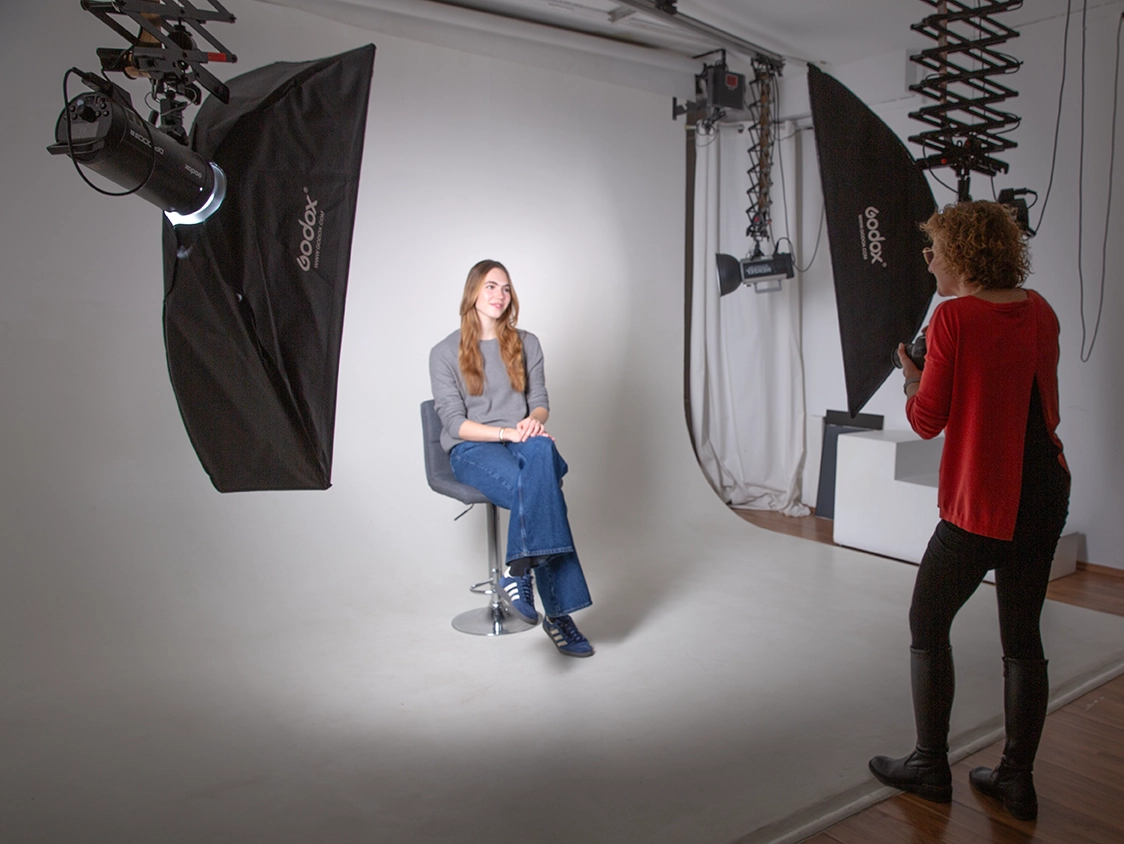
Can I have a biometric passport photo taken at a photo studio?
Yes. Photographers take biometric passport photos in accordance with current legal requirements and prepare them for digital use by government agencies.
How long is a biometric passport photo valid?
A biometric passport photo should be current and clearly reflect your current appearance. If there have been significant changes in your appearance, it is recommended that you take a new passport photo.
Have a biometric passport photo taken nearby
If you need a biometric passport photo, you can quickly find a participating photographer near you through alfo.passbild. There, your photo will be taken professionally and prepared for digital submission.
Find a photographer near you now
Have a professional biometric passport photo taken and be fully prepared for your appointment with the authorities.
This page provides an overview. For specific questions, we have created detailed pages:
- Passport Photo Requirements in Detail
- Passport Photo Size and Format
- Have a digital passport photo taken
- New Passport Photo Rules Effective in 2026
- Common Mistakes in Biometric Passport Photos
- Baby ID Photos and Children’s ID Photos
- Clothing for the passport photo
- Makeup for a passport photo
- Find a photographer nearby
Frequently Asked Questions About Biometric Passport Photos
Do you have any further questions about requirements, costs, or special cases regarding biometric passport photos? In our comprehensive FAQs on passport photos, we provide detailed answers to the most common questions.

