
Common Mistakes in Biometric Passport Photos – and How to Avoid Them
Biometric passport photos are required for passports, ID cards, and other identification documents. Even minor deviations from the official guidelines can result in a passport photo being rejected. The most common mistakes include an impermissible facial expression (smiling), incorrect head position, inappropriate lighting, or obscured facial features. In this guide, you’ll learn which mistakes are particularly common in biometric passport photos and how to avoid them.
You can find all official guidelines for biometric passport photos in our passport photo requirements.
Has your passport photo already been rejected by the authorities or the photographer? In our guide, ” Passport Photo Rejected,” you’ll learn the reasons behind the rejection and what you can do about it.

Inappropriate facial expression (smile)
For biometric passport photos, a neutral facial expression is required. Smiling with visible teeth may result in the photo being rejected.
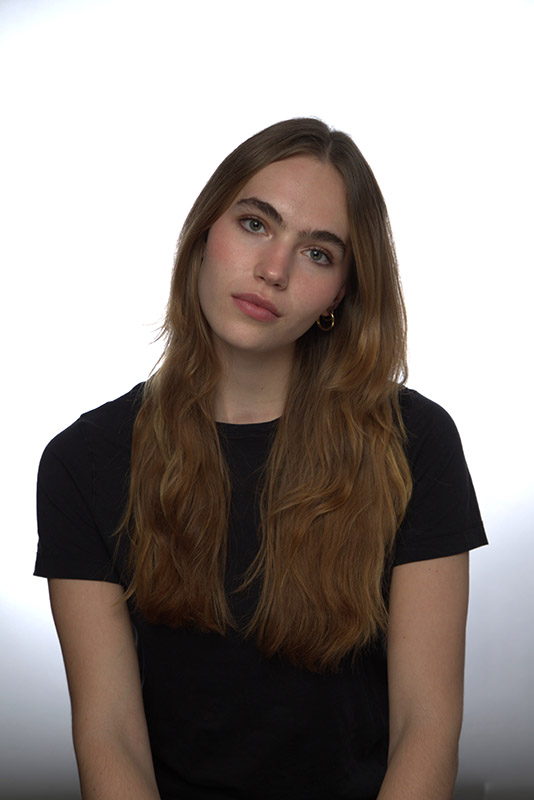
The head is not facing forward
Your head must be held straight and facing the camera directly. Even a slight tilt can result in the photo being rejected.
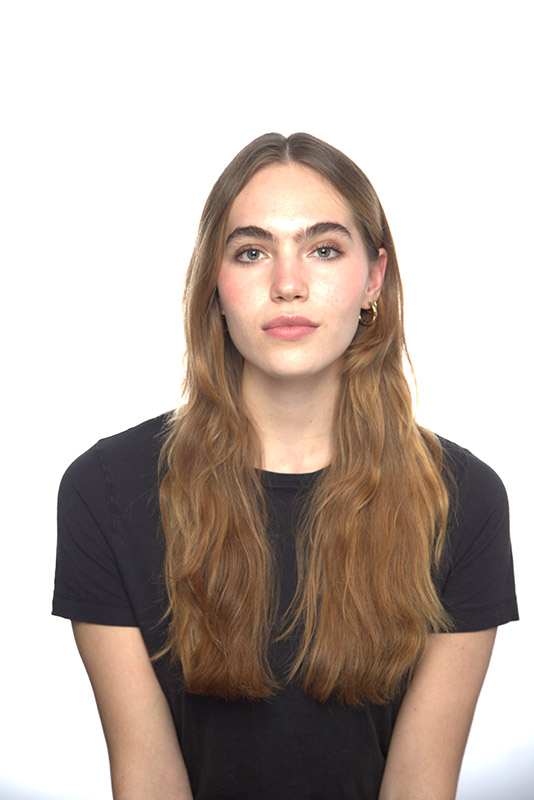
Overexposure due to incorrect lighting
Overexposed areas can obscure important facial features. As a result, the passport photo may not meet biometric requirements.
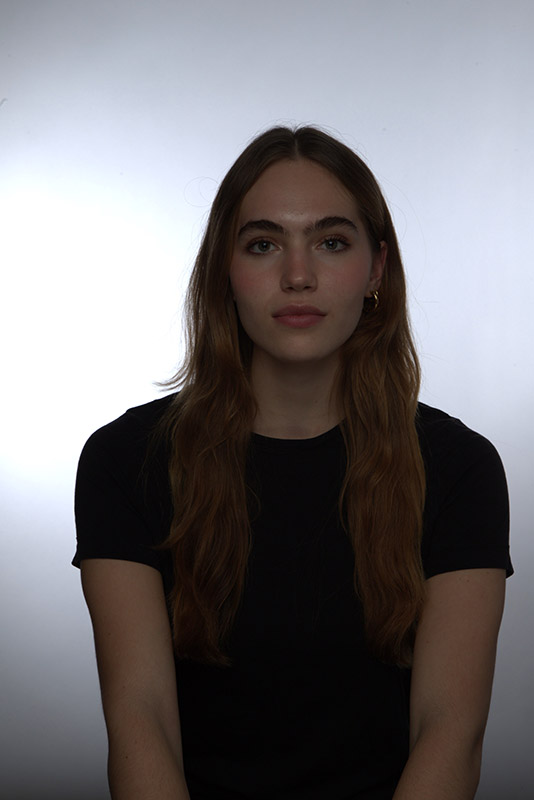
Uneven or poor lighting
Shadows on the face or uneven lighting are common mistakes. The face must be evenly lit in the passport photo.
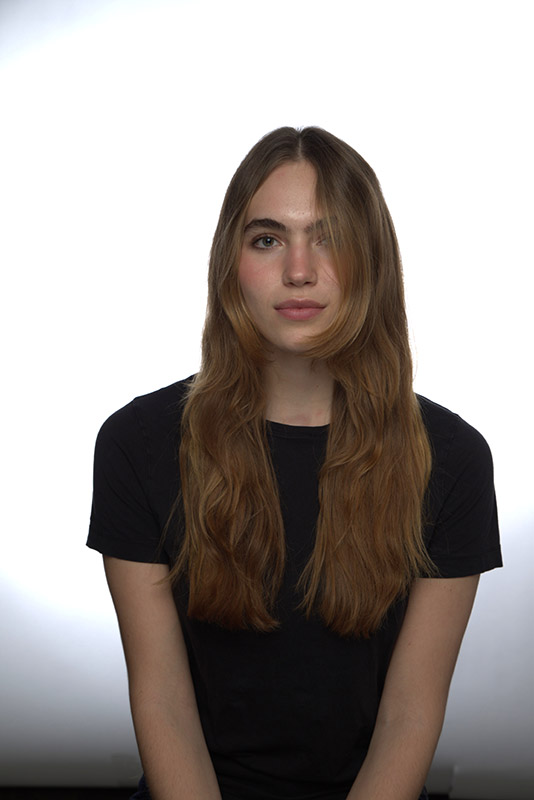
Her face is covered by her hair
The eyes and facial features must remain clearly visible. Hair must not obscure important biometric features.
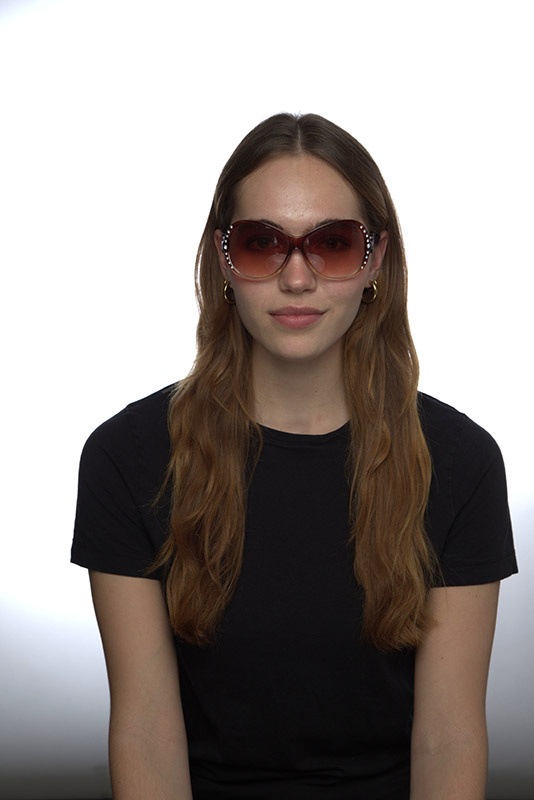
Tinted eyeglass lenses hide the eyes
The eyes must be fully visible in biometric passport photos. Tinted lenses or strong glare are not permitted.
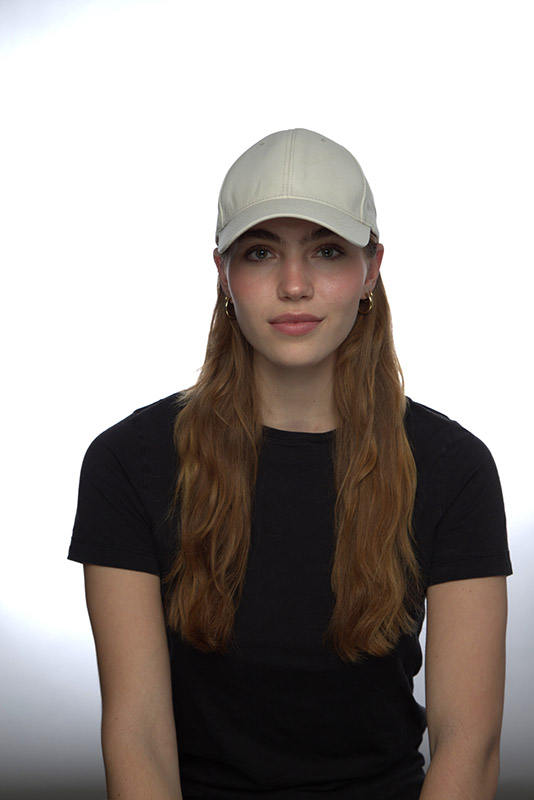
Prohibited headwear
Hats, caps, or other headwear are generally not permitted. Exceptions are made only for religious or medical reasons.
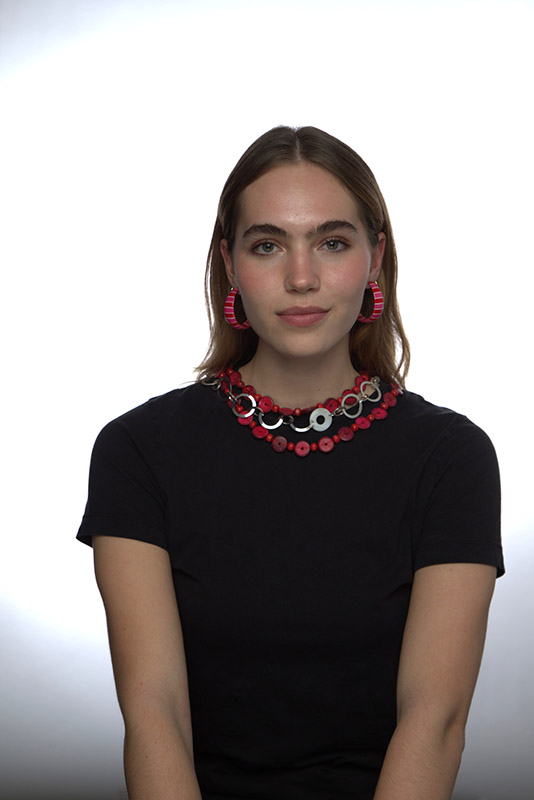
Flashy jewelry is distracting
Flashy jewelry can distract from your facial features. For biometric passport photos, your face should be the clear focal point.
The most common mistakes in passport photos
Even minor deviations can result in a biometric passport photo being rejected. The following errors are among the most common reasons why passport or ID photos are rejected.
- Incorrect head posture:
Your head must be held straight and facing the camera. Tilting or turning your head is not permitted in biometric passport photos.
- Invalid background:
Biometric passport photos require a uniform, light-colored background. White or light gray are required. Shadows, patterns, or objects in the background often result in rejection. - Poor or improper lighting:
Even lighting without shadows is essential. Over- or underexposed passport photos cannot be accepted.
- Prohibited facial expression:
A neutral facial expression is required. Smiling with visible teeth or closing your eyes is not permitted in passport photos.
- Inappropriate clothing or flashy jewelry:
Avoid wearing light-colored or heavily patterned clothing that blends in with the background. Large jewelry or eye-catching accessories can also distract from your face. You can find tips on this here: Passport Photo Attire – Top Tips
- Glasses, hair, or headwear:
Your eyes must be clearly visible. Tinted glasses, glare, or hair covering your face may result in the passport photo being rejected. For more information, see: Passport photos with glasses. Head coverings are permitted only for religious or medical reasons.
Why homemade passport photos will no longer be allowed starting in 2025
Starting in May 2025, new legal requirements for passport photos will take effect. For passports and ID cards, passport photos may no longer be submitted as self-printed copies. Instead, the photo must be submitted digitally to the relevant authority.
Learn more here: Changes to passport photo regulations in 2025.
How to Avoid Mistakes When Taking Passport Photos
- Have your passport photo taken by a professional photographer. With alfo.Passbild, you can quickly find a certified photographer who will take your passport photo correctly and in compliance with regulations from the very beginning.
- Please make sure you follow the current passport photo requirements.
- Please check in advance that the passport photo is the correct size: 35 x 45 mm, with a face height of 32 to 36 mm.
- Make sure your face, eyes, and head position are fully visible.
- Avoid harsh shadows, reflections, and flashy accessories.
Has your photo already been rejected? If so, you can find more information here: Passport photo rejected.
👉 Find a photographer near you here: Passport photo photographer near you
Frequently Asked Questions About Errors in Biometric Passport Photos
Is it okay to smile in biometric passport photos?
No. A neutral facial expression is required for biometric passport photos. A slightly natural expression is permitted, but visible teeth or a broad smile are not allowed.
Are earrings or jewelry allowed in biometric passport photos?
Small, discreet jewelry is generally permitted. However, jewelry must not distract from facial features or obscure important biometric characteristics. In our tips on what to wear for passport photos, we’ll show you which pieces of jewelry are subtle enough and how to coordinate accessories with your outfit.
Can I wear glasses in a passport photo?
Generally speaking, yes, as long as your eyes remain fully visible. For detailed information on which types of glasses are allowed and what to look for in terms of lenses and frames, see our guide, “Passport Photos with Glasses.”
What hairstyles are allowed in a biometric passport photo?
Your hairstyle must not cover your face. Your forehead, eyebrows, and both eyes must be fully and clearly visible—strands of hair falling across your face often cause problems. Noticeable volume is allowed as long as your entire head fits within the frame. If your passport photo has already been rejected, read more under “Passport Photo Rejected—What to Do.”
What kind of clothing is appropriate for a biometric passport photo?
In short: subtle, dark colors without flashy patterns that stand out well against a light background. You can find detailed tips on colors, cuts, and styling for women and men in our guide, “Passport Photo Clothing—The Best Tips.”

